

Let's face it: Microsoft Ads often gets treated like Google's annoying little sibling. You copy-paste your Google campaigns, hit launch, and wonder why the results are… well, underwhelming. Here's the thing, though: Microsoft Ads isn't Google Ads in a different outfit. It's a completely different platform with its own audience, quirks, and superpowers.
If your Microsoft Ads campaigns aren't moving the needle for your e-commerce business, you're not alone. But here's the good news: most of the time, it's not the platform: it's how we're using it. Let's dig into the ten most common reasons your pay per click advertising on Microsoft isn't boosting sales, and more importantly, how to fix them.
1. You're Treating Microsoft Ads Like a Google Clone
This is the big one. Microsoft Ads captures a different slice of the internet. We're talking about a more research-heavy, professional demographic: people using work computers, decision-makers doing due diligence, B2B buyers in discovery mode. If you're running the exact same campaigns you run on Google, you're missing the plot.
The Fix: Rethink your messaging and targeting. Microsoft's audience tends to be slightly older, more affluent, and more likely to be in a longer research phase. Adjust your ad copy to speak to someone who's comparing options, not impulse buying. Think "comprehensive," "trusted," "proven": words that resonate with careful consideration.
2. Your UET Tag Is MIA (Or Broken)
You know that Universal Event Tracking tag? Yeah, that little piece of code that's supposed to tell Microsoft what's happening on your site? A shocking number of e-commerce stores either haven't installed it properly or it's broken. Without it, you're flying completely blind: no conversion data, no remarketing audiences, no optimization signals for Microsoft's AI.
The Fix: Install and verify your UET tag immediately. Set up conversion goals for every meaningful action: purchases, add-to-carts, newsletter signups. Test it with the UET Tag Helper Chrome extension. This isn't optional: it's the foundation of everything else. Once Microsoft's AI can actually "see" your conversions, it can start finding more customers like the ones who convert.
3. You're Ignoring the Search Partner Network
Microsoft's Search Partner Network extends your reach beyond Bing to sites like Yahoo, AOL, and DuckDuckGo. But here's what happens: you treat it like one big blob instead of analyzing it separately. Sometimes it performs brilliantly; sometimes it's a budget drain.
The Fix: Check your Search Partners performance religiously. Go to campaign settings and look at the data split by network. If it's underperforming, dial down your bids specifically for search partners or exclude them entirely. Conversely, if they're converting well, lean into it. This is all about standalone value: each traffic source needs to earn its keep.
4. Your Audience Segmentation Is Lazy
Running the same ads to everyone who lands on your site is like treating first dates and long-term partners the same way. Spoiler: it doesn't work. Cart abandoners, repeat customers, and cold traffic all need different messaging.
The Fix: Build remarketing lists in Microsoft Ads based on behavior. Create campaigns specifically for cart abandoners with urgency messaging. Target past purchasers with complementary products. Use in-market audiences to find people actively shopping in your category. The more specific you get, the better Microsoft's AI can understand and find your ideal customer profile across the non-linear journey they're actually taking.

5. Your Landing Pages Are Conversion Killers
Someone clicks your ad… and then what? If they hit a slow-loading page, a confusing navigation structure, or a checkout process that feels like filling out a mortgage application, you've wasted your ad spend.
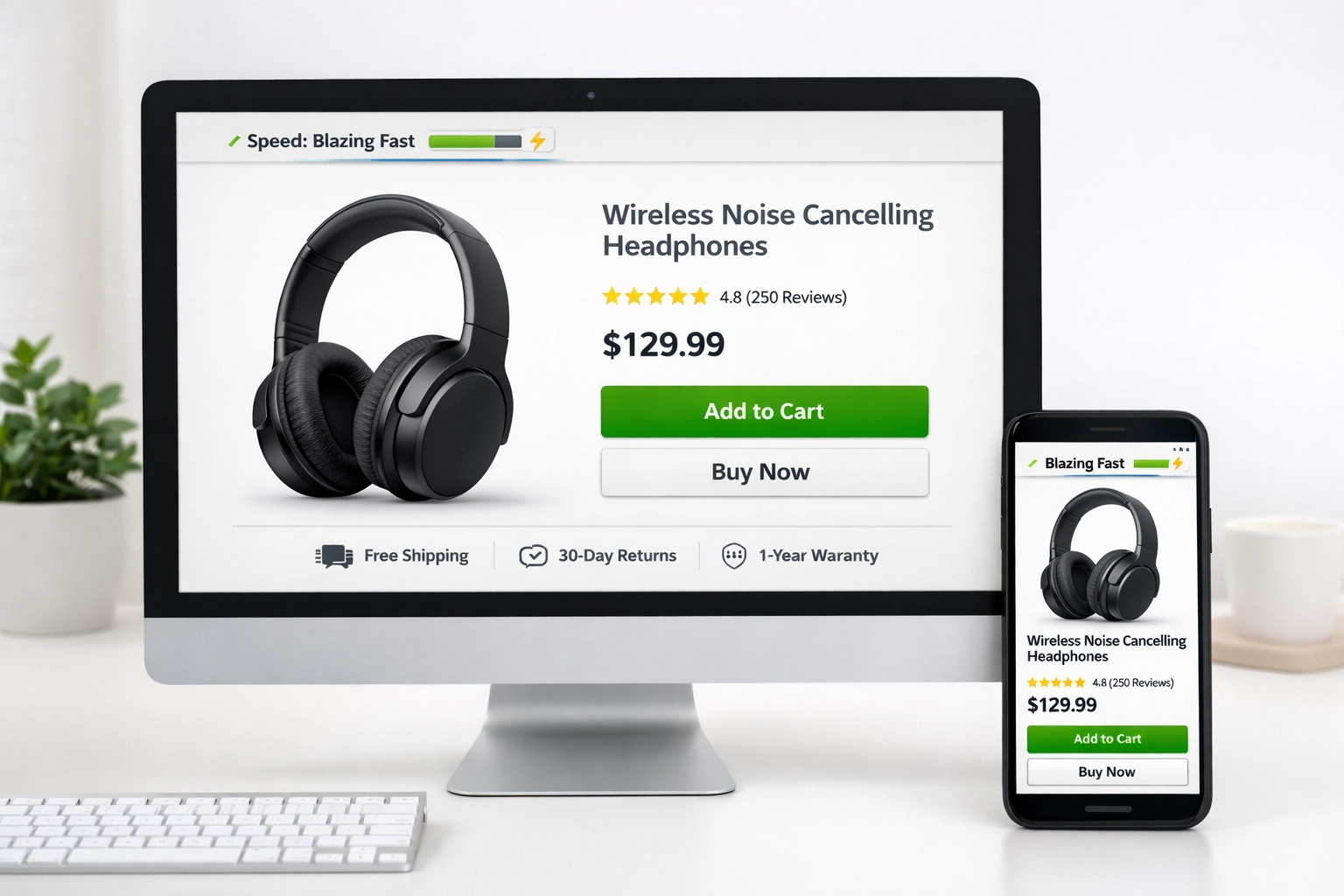
The Fix: Speed matters. Use Google PageSpeed Insights and get your landing pages loading in under 3 seconds. Simplify your checkout flow: consider guest checkout options. Make your CTA buttons impossible to miss. A/B test everything. Remember, in the messy, non-linear customer journey we keep talking about, your landing page might be touchpoint three or seven: it needs to work hard regardless of when someone arrives.
6. You're Not Using Bid Adjustments Strategically
Treating all traffic the same is leaving money on the table. Not all devices, locations, or times of day convert equally for Microsoft Ads for ecommerce. Your desktop traffic might convert at twice the rate of mobile. Morning shoppers might be window shopping while evening browsers are ready to buy.
The Fix: Dive into your data. Increase bids by 20-30% for high-converting segments: whether that's specific geographic areas, device types, or dayparts. Simultaneously, reduce bids by 30-50% for poor performers. Studies show this kind of strategic bid management can reduce your cost-per-acquisition by 15-30% while maintaining or increasing conversion volume.
7. Dynamic Product Ads? Never Heard of Her
If you're still running static ads in 2026, you're doing it wrong. Microsoft Shopping Campaigns with dynamic product ads automatically showcase the exact products people have viewed or similar items they're likely to want. This personalization is gold for e-commerce.
The Fix: Set up your Microsoft Merchant Center feed properly (more on that in a sec) and launch Shopping Campaigns. Use dynamic remarketing to show abandoned cart products. These ads create AI discoverability: helping Microsoft's algorithms understand the connection between user behavior and purchase intent, which helps them find more of your ideal customers.
8. Your Negative Keywords List Is… Non-Existent
Every click costs money. If you're showing up for searches like "free," "DIY," "how to make," or other zero-intent queries, you're burning budget faster than a crypto bro in 2021.
The Fix: Build a robust negative keywords list. Look at your search terms report weekly and ruthlessly add non-converting queries. Create shared negative keyword lists you can apply across campaigns. This isn't being picky: it's being smart. You want Microsoft's AI to learn from quality traffic, not junk clicks.
9. Your Ad Copy Sounds Like Everyone Else's
"Great deals on [product]!" "Shop now!" "Best prices!" Yawn. In Microsoft's more professional, research-focused audience, generic ad copy doesn't cut it. You need to stand out and speak to the specific pain points your research-heavy audience cares about.
The Fix: Write benefit-driven copy that addresses specific customer problems. Use ad customizers to insert dynamic content. Test different value propositions: don't just assume price is king. For Microsoft's audience, trust signals, guarantees, and detailed specifications often outperform discount messaging. Use all available ad extensions: sitelinks, callouts, structured snippets: to maximize your ad's real estate and provide the information-hungry Microsoft user craves.
10. You're Running Campaigns in a Data Silo
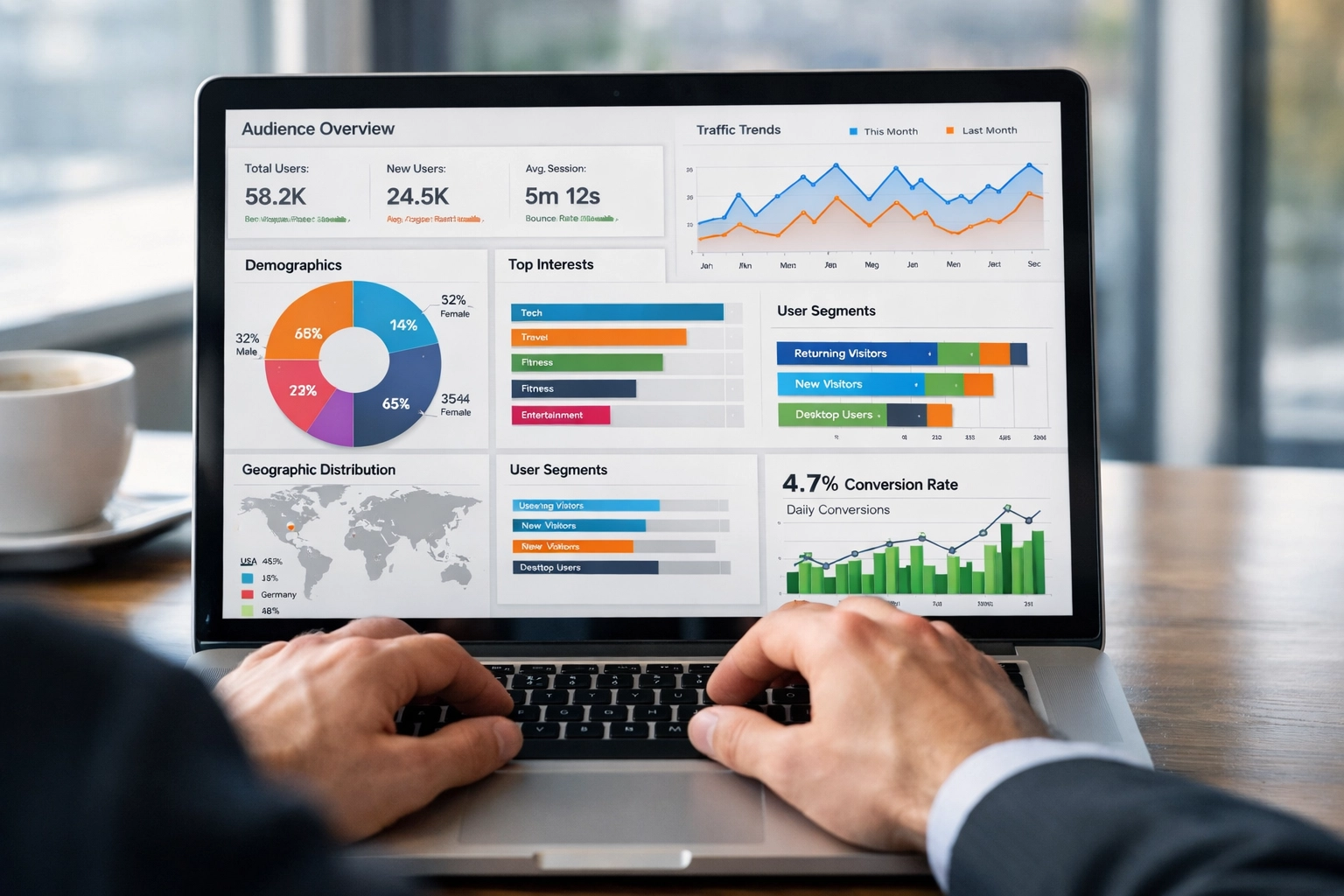
Here's where most e-commerce businesses really drop the ball: they're not connecting the dots. Microsoft Ads data lives in one place, Google Analytics in another, your e-commerce platform somewhere else. You're not seeing the full picture of how Microsoft Ads fits into the non-linear customer journey your customers actually take.
The Fix: Integrate everything. Connect Microsoft Ads with Google Analytics. Use UTM parameters religiously. Look at assisted conversions, not just last-click attribution. Someone might discover you on Microsoft Ads (touchpoint one), come back through organic search (touchpoint two), and convert through a remarketing ad on Meta (touchpoint three). If you're only looking at last-click, you're massively undervaluing Microsoft's role. This holistic view helps you understand the standalone value each channel contributes and helps Microsoft's AI learn from the complete customer journey, not just fragments.
The Bigger Picture: Why This All Matters
Look, we're not just optimizing for optimization's sake. Every fix we've covered contributes to two crucial things:
Standalone Value: Each traffic source: including Microsoft Ads: needs to prove its worth independent of other channels. When you properly track, segment, and optimize your Microsoft campaigns, you can confidently say, "This platform drove X revenue at Y cost, and here's exactly how."
AI Discoverability: Modern advertising platforms run on machine learning. When you give Microsoft's AI clean data, proper conversion tracking, and quality traffic signals, it gets smarter at finding your customers. It's not magic: it's just feeding the algorithm what it needs to do its job.
The non-linear customer journey isn't going anywhere. People bounce between devices, platforms, and touchpoints like caffeinated squirrels. Microsoft Ads often plays a crucial but underappreciated role in that journey: especially in the research and consideration phases that happen on work computers during the day.
Your Turn
So, which of these ten issues is holding your Microsoft Ads back? I'd bet money it's more than one. The good news? Now you know exactly what to fix and how to fix it.
Start with your tracking: seriously, if your UET tag isn't rock solid, nothing else matters. Then move to audience segmentation and bid optimization. Those three changes alone can boost your return on ad spend by 25-40% within the first month.
Have you been treating Microsoft Ads like an afterthought? What changes are you planning to make first? If you want to dive deeper into how we approach pay per click advertising for e-commerce brands, we'd love to chat about what's possible when you treat Microsoft as the powerful platform it actually is.


