

Tag: Positive Sparks News
Ever clicked on a health supplement ad only to wonder how it got approved in the first place? Or maybe you're sitting on an incredible health product but feel completely paralyzed by the maze of advertising regulations? You're not alone. Healthcare PPC is one of the trickiest territories in digital marketing, and honestly, most brands are getting it wrong.
Let me be straight with you, running pay-per-click ads for health products isn't like promoting coffee mugs or software tools. One misstep, and you're not just wasting ad spend; you could be facing regulatory warnings or account suspensions. But here's the thing: when done right, compliant healthcare PPC can absolutely transform your business.
Let's walk through what you actually need to know to run successful, compliant campaigns.
Why Compliance Isn't Just a Box-Ticking Exercise
Look, I get it. Compliance sounds boring. It feels like someone's deliberately making your job harder. But bear with me here, understanding compliance in healthcare advertising isn't about limiting your creativity; it's about protecting your business and, more importantly, your customers.
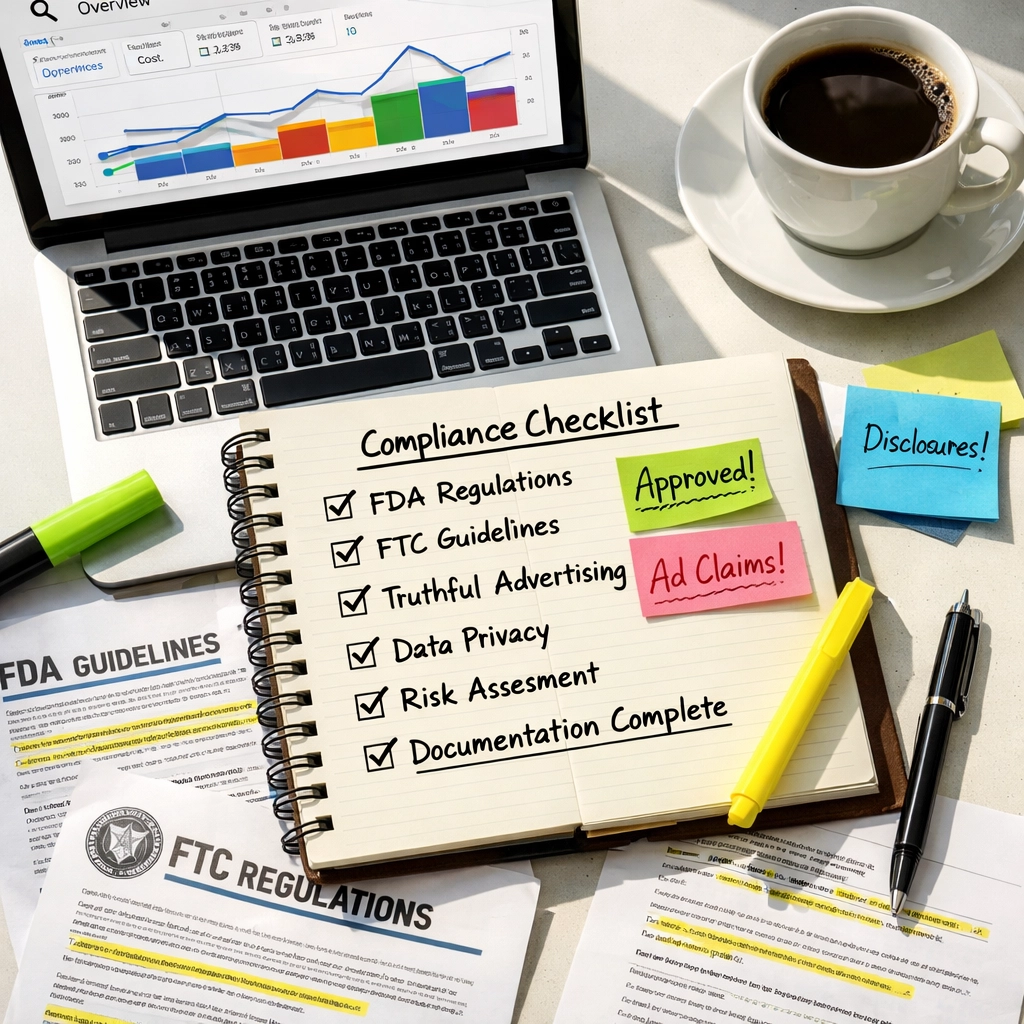
The healthcare advertising space is regulated by multiple bodies, the FDA, FTC, and depending on your product, you might also need to consider HIPAA regulations. Each has specific requirements about what you can and cannot claim. According to recent industry data, approximately 67% of healthcare advertisers have faced ad disapprovals or account restrictions at some point. That's two out of every three brands.

The cost of non-compliance goes beyond just rejected ads. We've seen businesses face penalties ranging from £5,000 to £100,000, not to mention the reputational damage. One supplement company we spoke with lost 40% of their revenue overnight when Google suspended their ad account for making unsubstantiated health claims.
The Three Pillars of Compliant Healthcare PPC
When we work with health product brands, we break compliance down into three essential pillars. Think of these as your foundation, get them right, and everything else becomes significantly easier.
Pillar 1: Substantiated Claims
You cannot, and I really can't stress this enough, you cannot make health claims that aren't backed by solid clinical evidence. Saying your product "may support immune health" when you have peer-reviewed studies is fine. Claiming it "cures" or "treats" a specific disease without FDA approval? That's crossing a line that'll get you shut down fast.
Here's what works: Focus on structure-function claims for supplements (like "supports healthy joints") rather than disease claims ("cures arthritis"). If you're advertising FDA-approved medical devices or pharmaceuticals, you'll need to include required disclosures and fair balance in your messaging.
Pillar 2: Transparent Disclosure
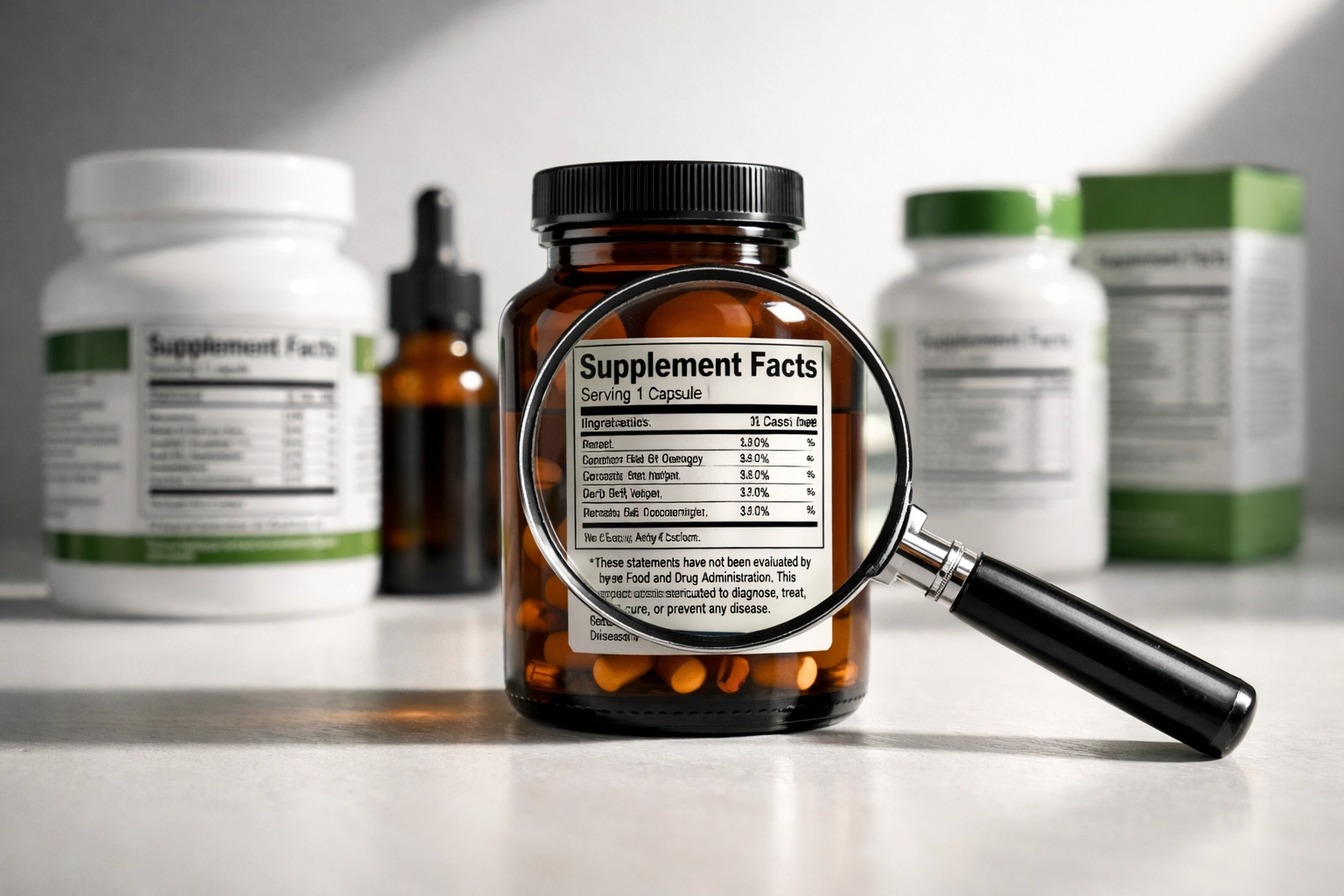
Let's talk disclaimers. Yes, they can feel clunky, but they're essential. Your ad copy needs to be clear about what your product is, what it isn't, and any important limitations. The classic "These statements have not been evaluated by the FDA" disclaimer isn't just boilerplate, it's legally required for dietary supplements in many contexts.
We've found that integrating disclaimers naturally into your landing pages works better than cramming them into already-limited ad character counts. Google and Microsoft Ads both allow compliant disclaimers on destination pages, which is where you should put the detailed legal language.
Pillar 3: Platform-Specific Requirements
Each advertising platform has its own additional policies on top of regulatory requirements. Google Ads, for instance, requires certain healthcare advertisers to complete a verification process before running ads. Facebook has specific restrictions around "before and after" images for weight loss products. Microsoft Ads has its own set of healthcare policies that, while similar to Google's, have some key differences.
Crafting Ad Copy That Converts AND Complies
Right, so how do you actually write ads that get clicks without getting banned? It's a bit of an art form, but once you get the hang of it, it's not as restrictive as you might think.
Start with benefits, not claims. Instead of "Lowers blood pressure in 30 days," try "Formulated to support healthy blood pressure levels." See the difference? One makes a definitive medical claim; the other positions your product as supportive.
Use qualifying language. Words like "may help support," "designed to," and "formulated for" are your friends. They provide the wiggle room that keeps you compliant while still communicating value.
Lead with ingredients and science. If you've got clinically studied ingredients, shout about them. "Contains 500mg of researched Omega-3 EPA" is factual and compelling. It lets educated consumers connect the dots without you making explicit health claims.
A real example: One of our clients in the sleep supplement space increased their click-through rate by 34% simply by reframing from "Cures insomnia" to "Supports healthy sleep patterns with melatonin and magnesium." Same product, compliant messaging, better results.
Keyword Strategy for Healthcare Products
Here's where things get interesting. Healthcare keywords are often more expensive because of the regulatory complexity and competition, but they can also be incredibly high-intent.
Start by categorizing your keywords into three buckets:
High-Intent Commercial Keywords: These are searchers ready to buy. Think "buy omega-3 supplements" or "best magnesium for sleep." These typically have higher cost-per-clicks (CPCs) but better conversion rates.
Educational Keywords: Terms like "benefits of vitamin D" or "how to improve joint health naturally." These users aren't ready to purchase yet, but they're researching. We've seen conversion rates around 2-3% for educational keywords in health, compared to 8-12% for commercial keywords.
Branded Keywords: If you're an established brand, protecting your branded terms is crucial. The CPC is usually lower, and conversion rates can hit 15-20%.
One critical tip: Avoid keywords that contain or imply treatment of specific diseases unless you're advertising an approved pharmaceutical. Terms like "diabetes treatment" or "cancer cure" will likely get your ads flagged unless you have proper certifications and approvals.
Setting Up Compliant Tracking and Measurement
You know what trips up loads of healthcare advertisers? HIPAA compliance in their tracking setup. If you're collecting any information that could be considered Protected Health Information (PHI), even indirectly, you need to be extremely careful with your pixels and tracking codes.
Google Analytics 4 has made this slightly easier with its privacy-focused approach, but you still need to ensure you're not passing identifiable health information through URL parameters or form data. We typically recommend:
- Using hashed email addresses for customer matching
- Avoiding health condition information in conversion tracking
- Implementing proper consent management platforms
- Segmenting your remarketing audiences carefully to avoid targeting based on health conditions
The Landing Page Connection
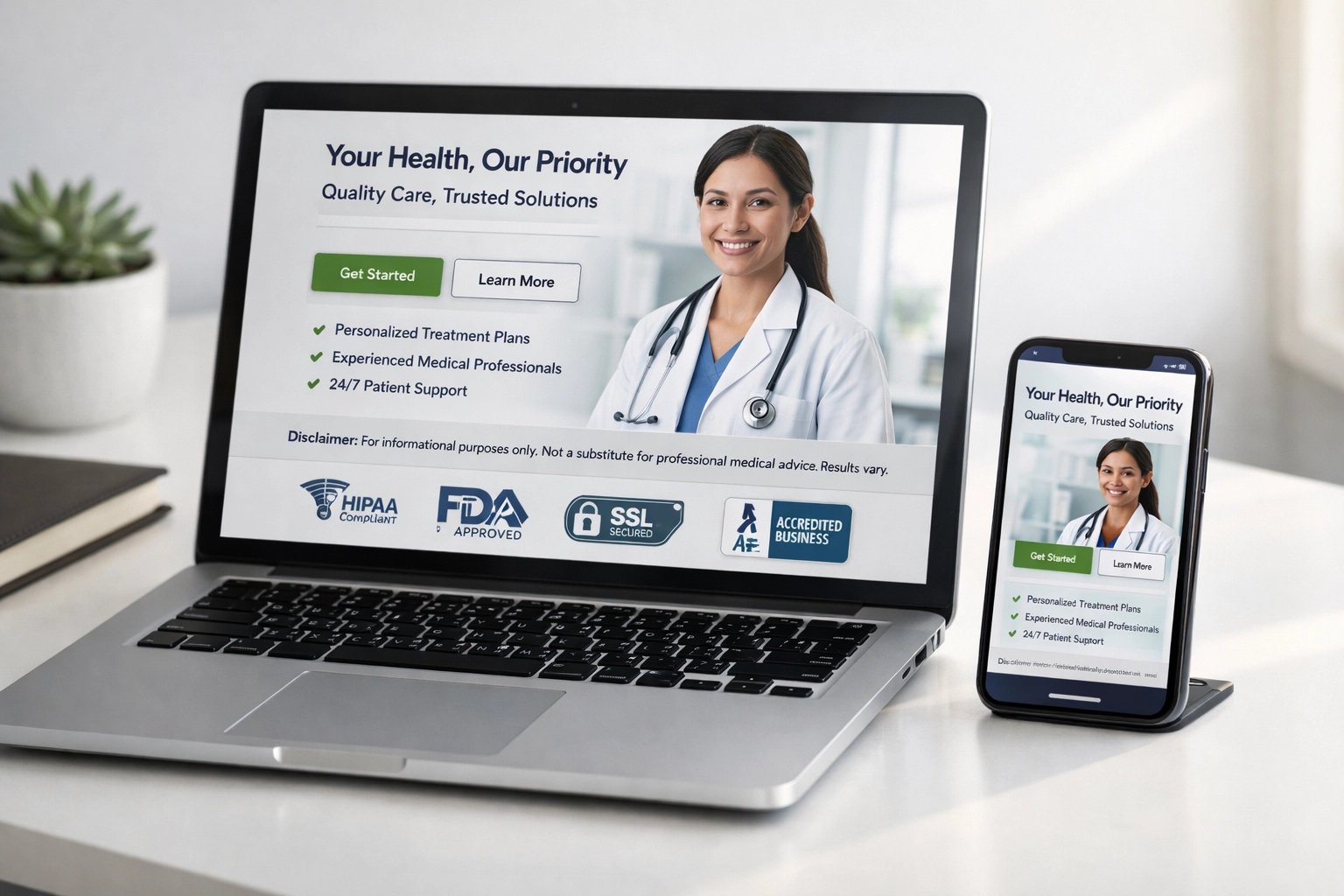
Here's something that catches people off guard: Your landing page needs to be just as compliant as your ads. Actually, scratch that, it needs to be MORE compliant because that's where regulators and platforms look first when reviewing your campaigns.
Your landing page should include:
- Clear ingredient lists and supplement facts panels
- Required disclaimers (positioned prominently, not hidden in tiny footer text)
- Links to scientific studies or clinical trials supporting your claims
- Transparent pricing and subscription terms if applicable
- Clear contact information and customer service access
We've seen brands with perfectly compliant ads get shut down because their landing pages made unsubstantiated claims. The ad and the landing page need to tell the same story.
Common Pitfalls (And How to Avoid Them)
Let's talk about the mistakes we see again and again:
Testimonials without disclaimers: Customer reviews are gold, but in healthcare, you need to include statements like "Individual results may vary" and make it clear these aren't typical outcomes.
Before/after images: These are heavily restricted or outright banned for weight loss and cosmetic products on most platforms. If you're going to use them, check platform policies carefully and ensure you have all required disclosures.
Miracle language: Words like "miracle," "guaranteed," "cure," "treat," or "diagnose" are massive red flags. Just don't use them unless you're advertising an FDA-approved treatment.
Retargeting healthcare conditions: Creating remarketing audiences based on health conditions or sensitive health information violates multiple privacy regulations. Keep your retargeting broad and behavior-based instead.
Moving Forward with Confidence
Healthcare PPC doesn't have to be scary. Yes, it requires more diligence and attention to detail than promoting t-shirts or tech gadgets, but that's actually your advantage. The complexity keeps out lazy competitors and rewards brands who take compliance seriously.
If you're just getting started, begin with one platform: usually Google Ads for most health products: and master the compliance requirements there before expanding. Document everything: your claims, your supporting evidence, your approval processes. Build compliance into your workflow from day one rather than treating it as an afterthought.
And here's my final piece of advice: When in doubt, consult with a regulatory expert. The cost of a legal review is always less than the cost of non-compliance. We've partnered with regulatory consultants who specialize in digital advertising, and it's saved our clients countless headaches.
What healthcare product are you looking to advertise, and what's your biggest compliance concern? Drop us a line: we've probably dealt with something similar and can point you in the right direction.


