
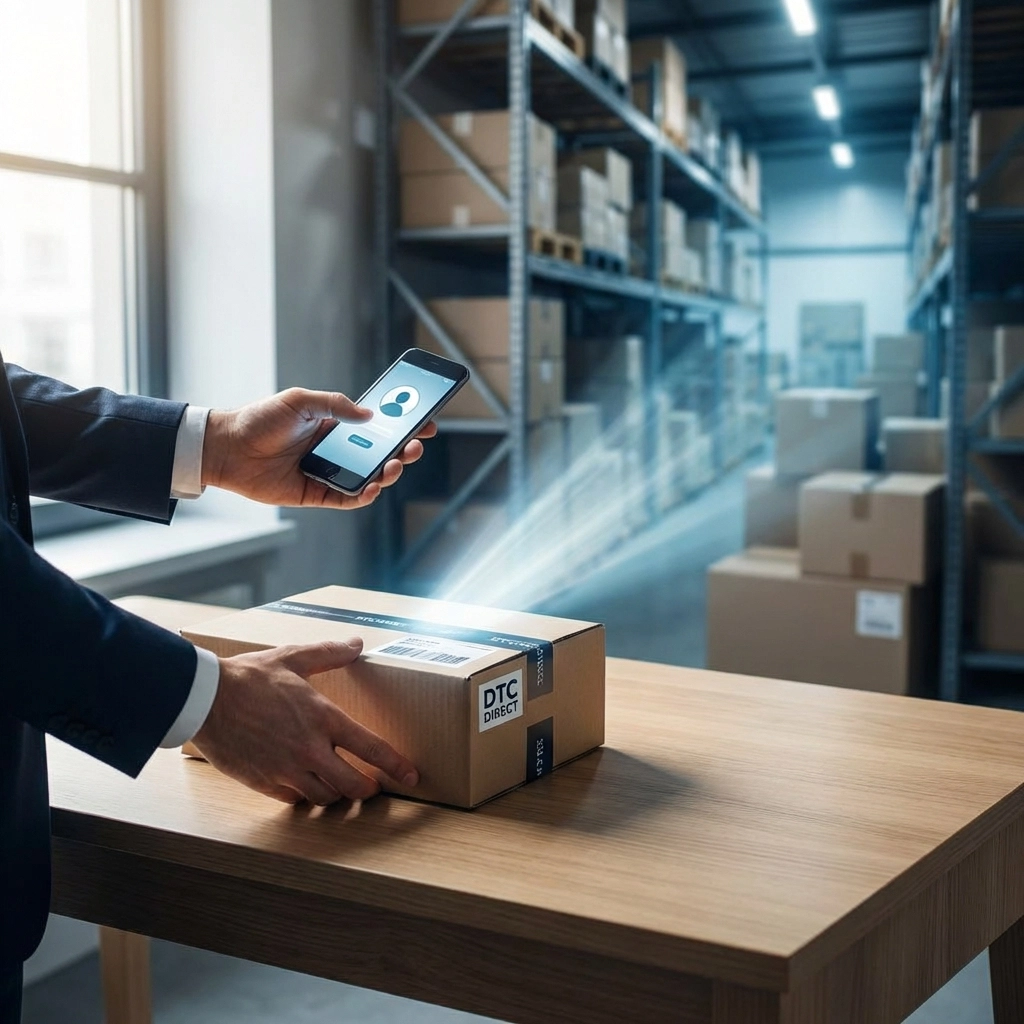
What if the secret to scaling your Amazon business isn't actually on Amazon at all?
Here's the thing , if you're an Amazon seller in 2026, you've probably noticed something shifting. The marketplace is more competitive than ever. Over 70% of sellers now use Amazon Ads just to stay visible. And let's face it, relying on a single channel feels risky when algorithms change overnight.
But here's where it gets exciting. Direct to consumer marketing isn't just for fancy Shopify brands anymore. It's becoming the secret weapon that smart Amazon sellers use to build real, lasting businesses.
Let's break down exactly why , and how you can make it work for you.
The Hybrid Model: Why Amazon Alone Isn't Enough Anymore
We get it. Amazon is powerful. Nearly 50% of shoppers start their product searches there. The platform pulls in almost 3 billion monthly visits. That's incredible reach.
But here's the reality check: third-party sellers now account for 58% of all Amazon sales. Competition is fierce. And organic rankings? They're declining fast without ad support.
So what's the play?
The smartest sellers are building what we call a hybrid model. They use Amazon as their customer acquisition engine , where high-intent buyers convert quickly , while their own direct to consumer channels handle retention, loyalty, and lifetime value.

One brand we studied saw a 52% increase in new-to-brand customers through Amazon. At the same time, their Shopify subscriptions grew 19% from the brand lift Amazon exposure created. That's not either/or. That's both working together.
Why Performance Marketing Changes Everything
Here's a question worth asking: what if you could send warm, ready-to-buy traffic to your Amazon listings before they even hit the search bar?
That's what performance marketing does. And it's transforming how sellers think about growth.
When we talk about pay per click advertising across platforms like Google, Meta, and Microsoft, we're talking about meeting your customers where they already spend their time. Then guiding them , with intention , to wherever converts best.
Google Ads for Ecommerce
Google Ads for ecommerce remains one of the most powerful tools in your arsenal. Why? Because Google captures people actively searching for solutions.
Think about it. Someone types "best organic protein powder" into Google. They're not casually browsing. They want answers. And if your Shopping ad or Search ad appears at that moment? You've got a high-intent buyer ready to click.
Practical step: Start with Google Shopping campaigns targeting your best-selling Amazon products. Use the same product titles and images to create a seamless experience. Drive traffic to your DTC site for higher margins, or use Amazon Attribution links to track conversions on Amazon.
Meta Ads for Ecommerce
Meta Ads for ecommerce , that's Facebook and Instagram , work differently. This is where you build awareness and desire before someone even knows they need your product.
The magic here is targeting. You can reach lookalike audiences based on your existing customers. You can retarget people who visited your site but didn't buy. You can tell your brand story through video and carousel ads that stop the scroll.
Practical step: Create a simple funnel. Run awareness campaigns to cold audiences with engaging video content. Then retarget viewers with product-focused ads that link to your DTC site or Amazon storefront. Test both destinations and see what converts better for your audience.

Microsoft Ads for Ecommerce
Don't sleep on Microsoft Ads for ecommerce. Yes, it's smaller than Google. But that's actually an advantage.
Microsoft's audience tends to skew older and more affluent. Competition is lower, so your cost per click often comes in cheaper. And with Microsoft's integration across Bing, LinkedIn, and Edge, you're reaching people in professional contexts : perfect for certain product categories.
Practical step: Import your best-performing Google Ads campaigns directly into Microsoft Ads. It takes minutes. Then optimise from there based on performance data. You might be surprised how well it performs for the investment.
Affiliate Marketing: Your Commission-Based Growth Engine
Now, here's where things get really interesting. What if you could have an army of content creators, bloggers, and influencers promoting your products : and you only pay when they deliver results?
That's affiliate marketing for ecommerce. And it's one of the most underutilised channels for Amazon sellers going direct to consumer.
The model is simple. Partners promote your products through their content, reviews, or social posts. When someone buys through their unique link, they earn a commission. You get a sale. Everyone wins.
Why it works so well in 2026: Rising ad costs on Meta and Google are pushing brands to find alternative acquisition channels. Affiliate partnerships offer predictable, performance-based spend. No sale, no cost.
Practical step: Start by identifying 10-15 micro-influencers or niche bloggers in your product category. Reach out with a simple partnership offer. Provide them with product samples and unique tracking links. Many affiliate platforms make this process straightforward to manage and scale.

Building Your Cross-Channel Strategy
So how do you actually pull all this together? Let's make it practical.
Step 1: Define Your Customer Journey
Map out how customers discover and buy your products. Do they find you on Instagram first? Search Google? Browse Amazon? Understanding this helps you allocate budget where it matters.
Step 2: Coordinate Your Launches
The best brands don't launch products in silos. They coordinate creator pushes and social campaigns with Amazon launches. This sends warm traffic to product listings, improves organic rankings, and creates momentum.
If you're exploring how to integrate DTC with your Amazon strategy, we've covered this in depth in our post on why you also need a direct to consumer strategy.
Step 3: Own Your Data
Here's something that matters more every year: data ownership. As external tracking weakens, the brands that win are the ones building first-party data through email lists, SMS subscribers, and customer accounts on their DTC sites.
Amazon's internal data through their Advertising Console is valuable. But when you combine it with data from your own channels? That's when you can truly understand your customer.
Step 4: Test, Learn, Scale
Start small. Run a Google Shopping campaign for one product. Test a Meta retargeting ad. Partner with three affiliates. See what works. Then double down.
There's 30% more traffic available per active seller on Amazon than four years ago. Opportunity is expanding. But the sellers who capture it are the ones willing to experiment beyond the marketplace itself.
The Bigger Picture
Let's zoom out for a second.
Direct to consumer marketing isn't just a tactic. It's a mindset shift. It's about building a brand that exists beyond any single platform. A brand that customers recognise, trust, and return to : regardless of where they first found you.
For Amazon sellers, this is the year to stop thinking of yourself as "just an Amazon seller." You're a brand. And brands that invest in performance marketing, pay per click advertising, and diversified channels are the ones that scale sustainably.
The hybrid model works. Amazon acquires customers efficiently. Your DTC channels turn those customers into loyal fans. And strategic use of Google Ads, Meta Ads, Microsoft Ads, and affiliate marketing ties it all together.
So here's our question for you: what's stopping you from building your DTC channel alongside Amazon this year? Have you tested any of these strategies yet? We'd love to hear what's working : and what's not ( in your experience.)


